Building Web design Library
1:1 token mapping between Figma and code with built-in accessibility checks
Title
Tools
About
As the product scaled, inconsistencies between design and development became more visible. UI elements lacked uniformity, spacing and typography varied across screens, and components behaved differently depending on implementation.
Design tokens existed, but they were not structured in a way that could be directly used in code. This created a gap where developers had to interpret design decisions instead of implementing them directly.
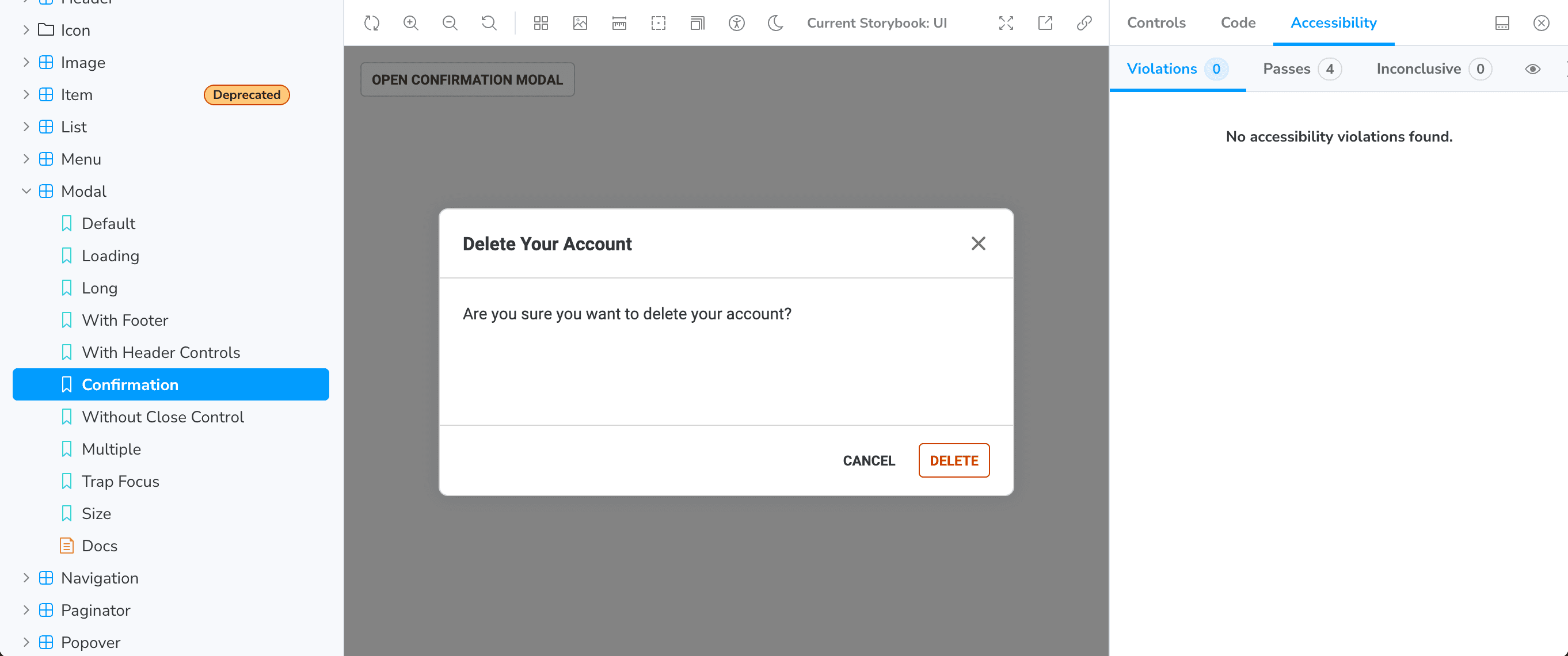
At the same time, accessibility checks were happening late in the process, making them harder to fix and easy to miss.
The problem was not just visual inconsistency. It was the absence of a shared system between design and development.
03
Primitive Tokens
Neutral

Navy

Red

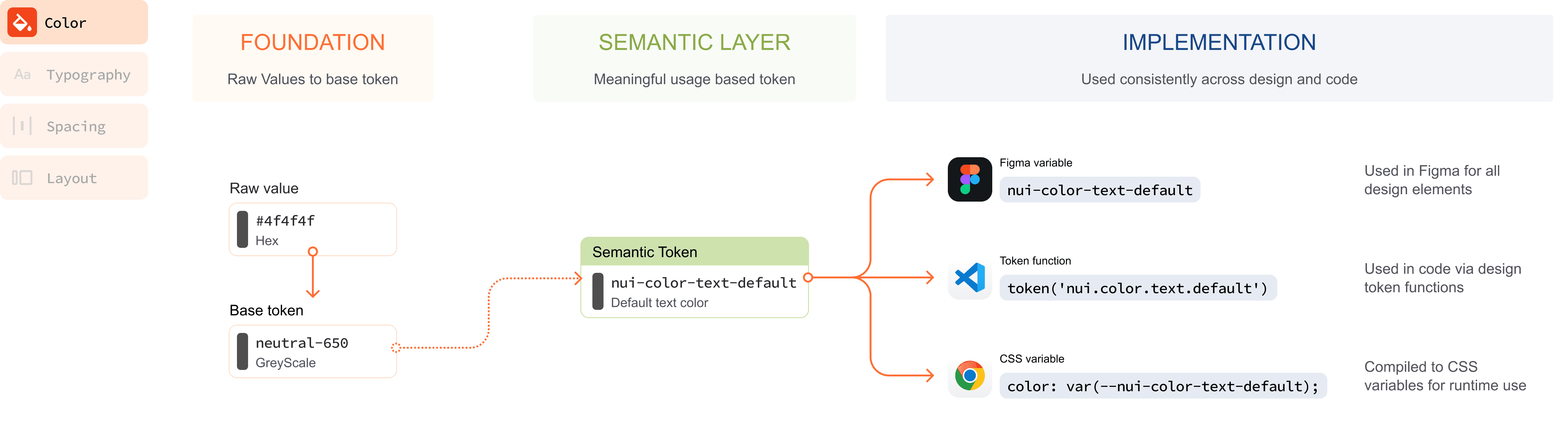
The system starts with primitive tokens, which represent raw values such as colors, spacing, and typography.
These tokens act as the foundation and are not tied to any specific use case. They define the visual base of the system and ensure consistency at a fundamental level.
Semantic Tokens
Bg body
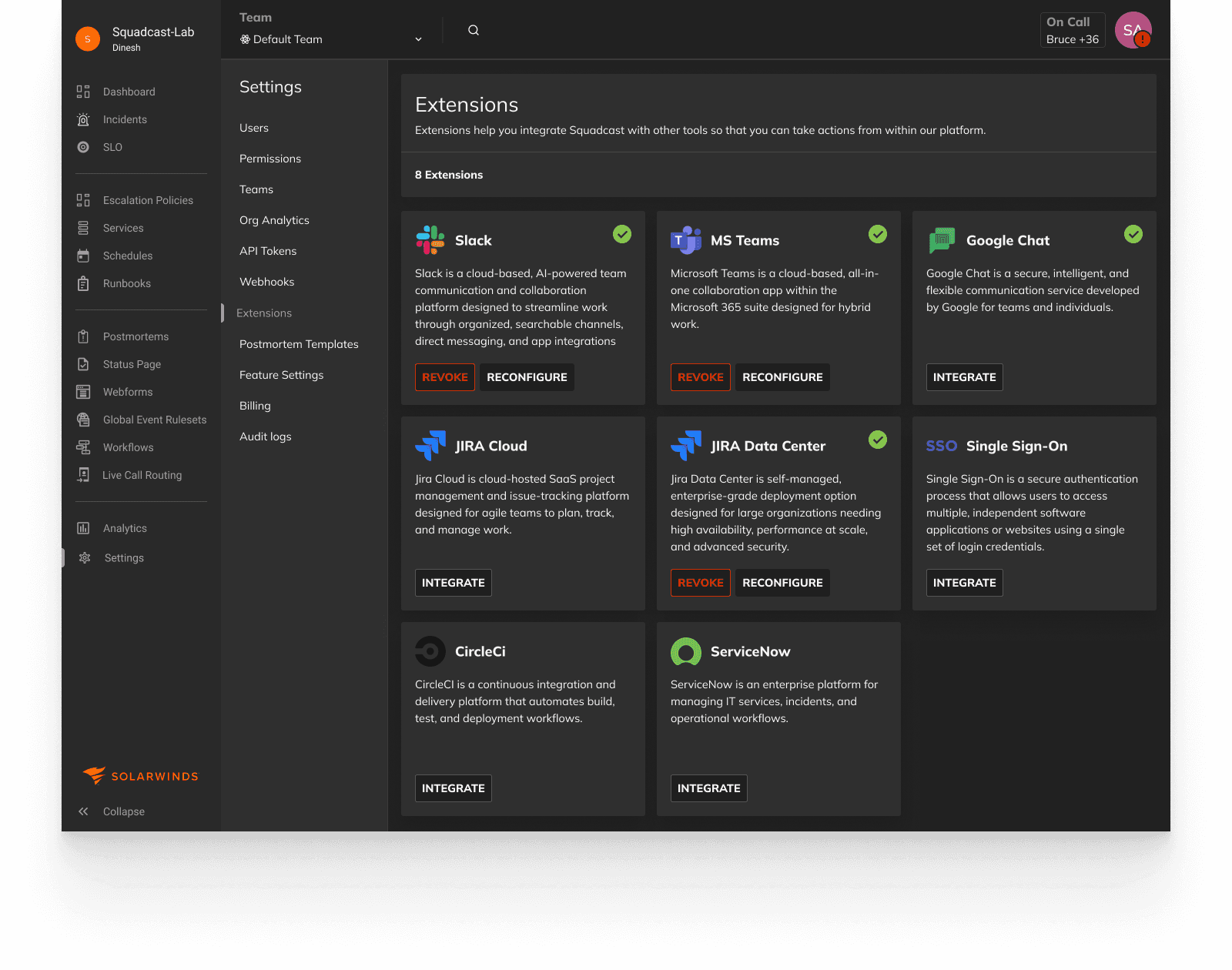
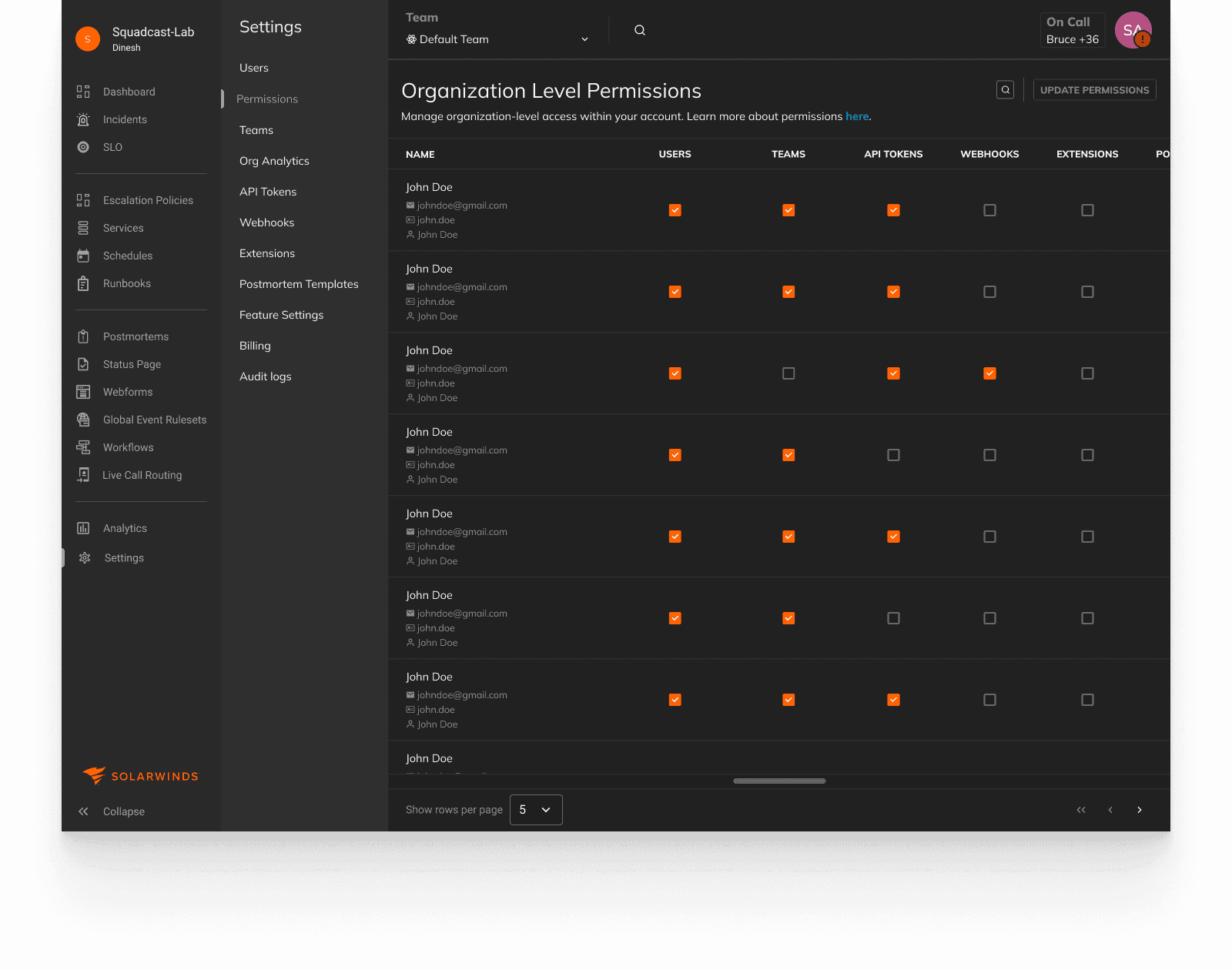
Light and Dark mode
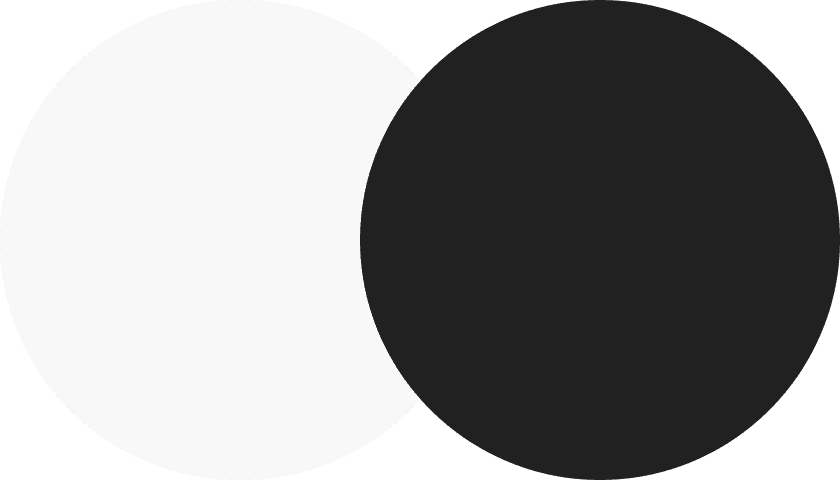
Text Default
Light and Dark mode
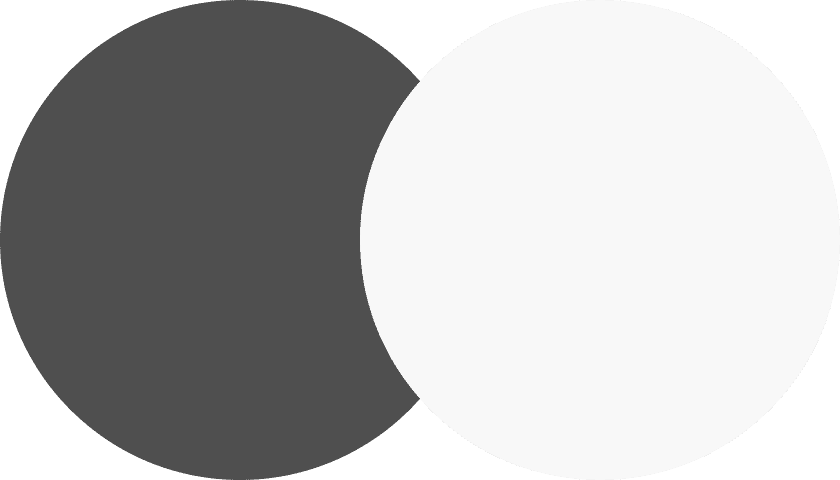
Text Link
Light and Dark mode
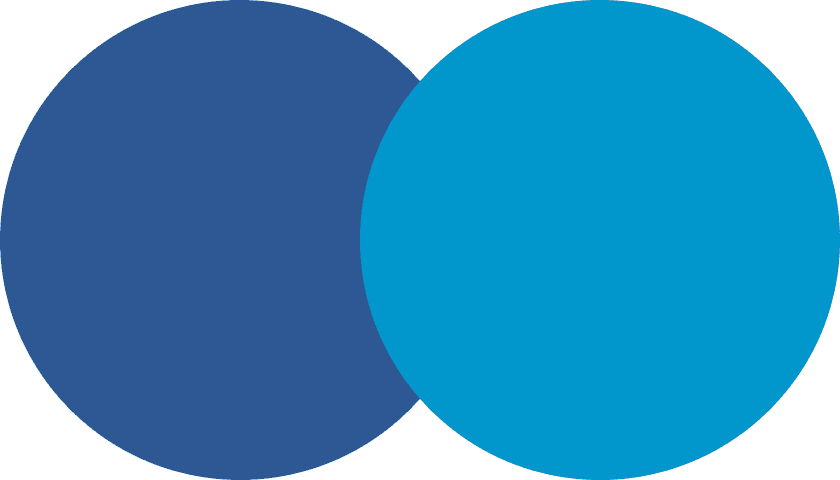
Critical Status
Light and Dark mode
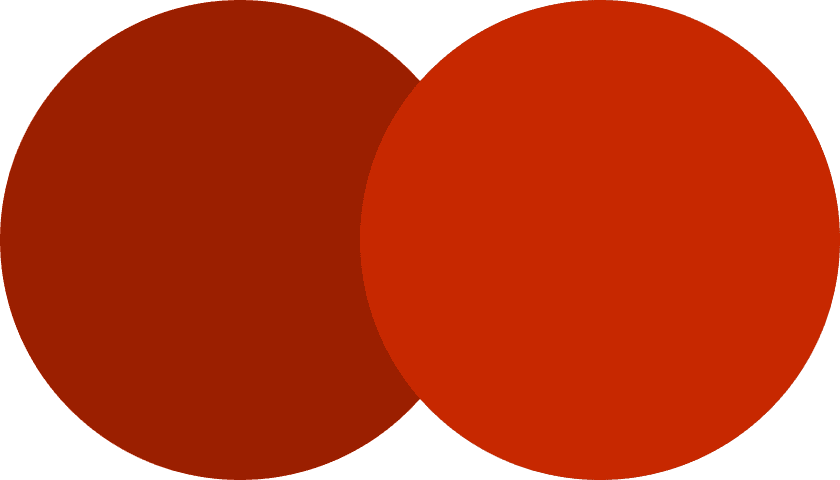
Semantic tokens are built on top of primitive tokens and define how values are used within the interface.
Instead of referring to raw values, tokens are named based on their purpose, such as text, background, or border.
This allows designers and developers to use tokens based on intent rather than appearance, making the system easier to understand and maintain.
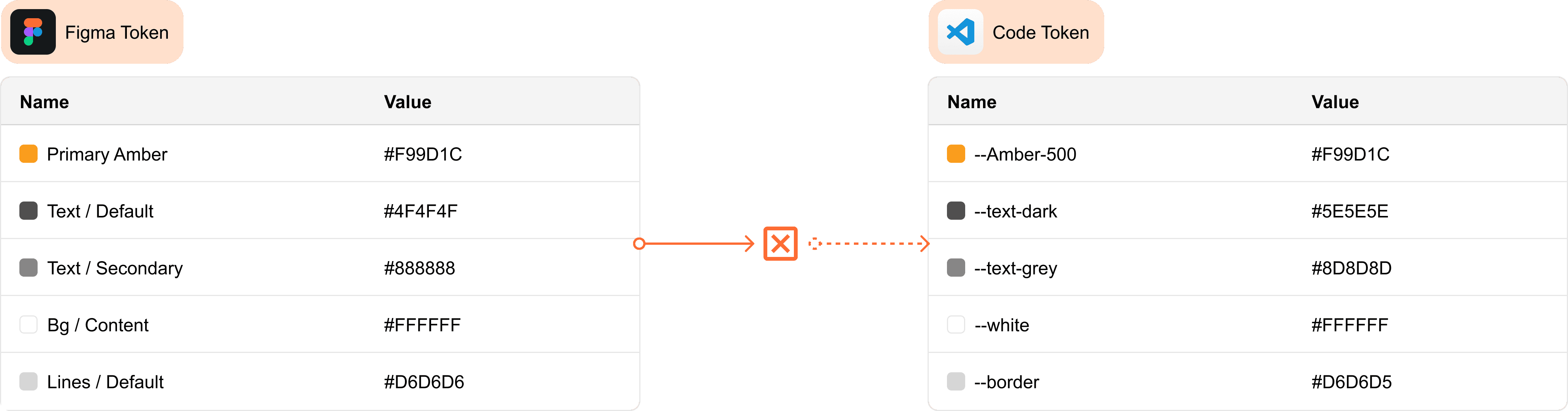
1:1 Token Mapping
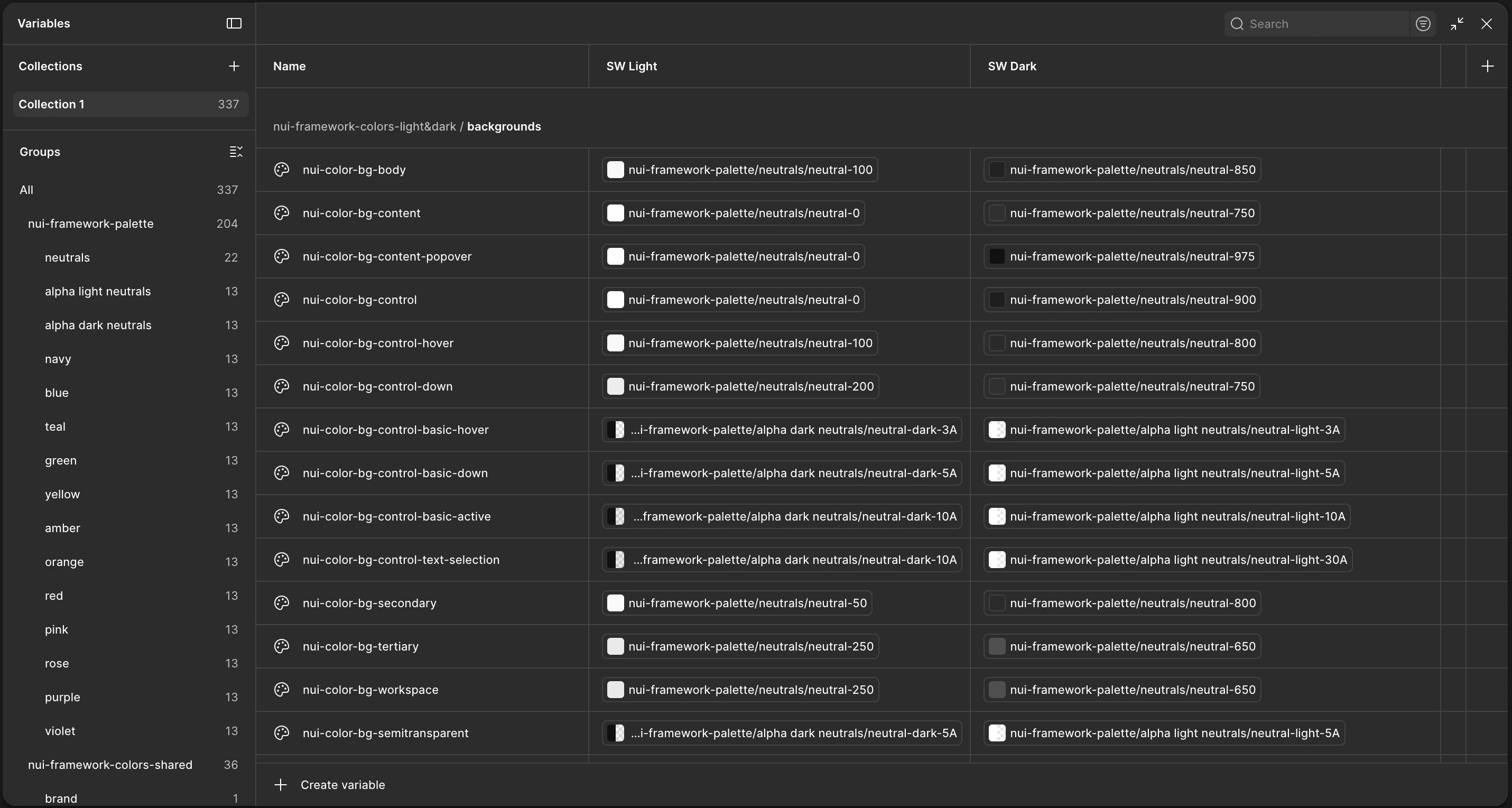
Figma
VS Code
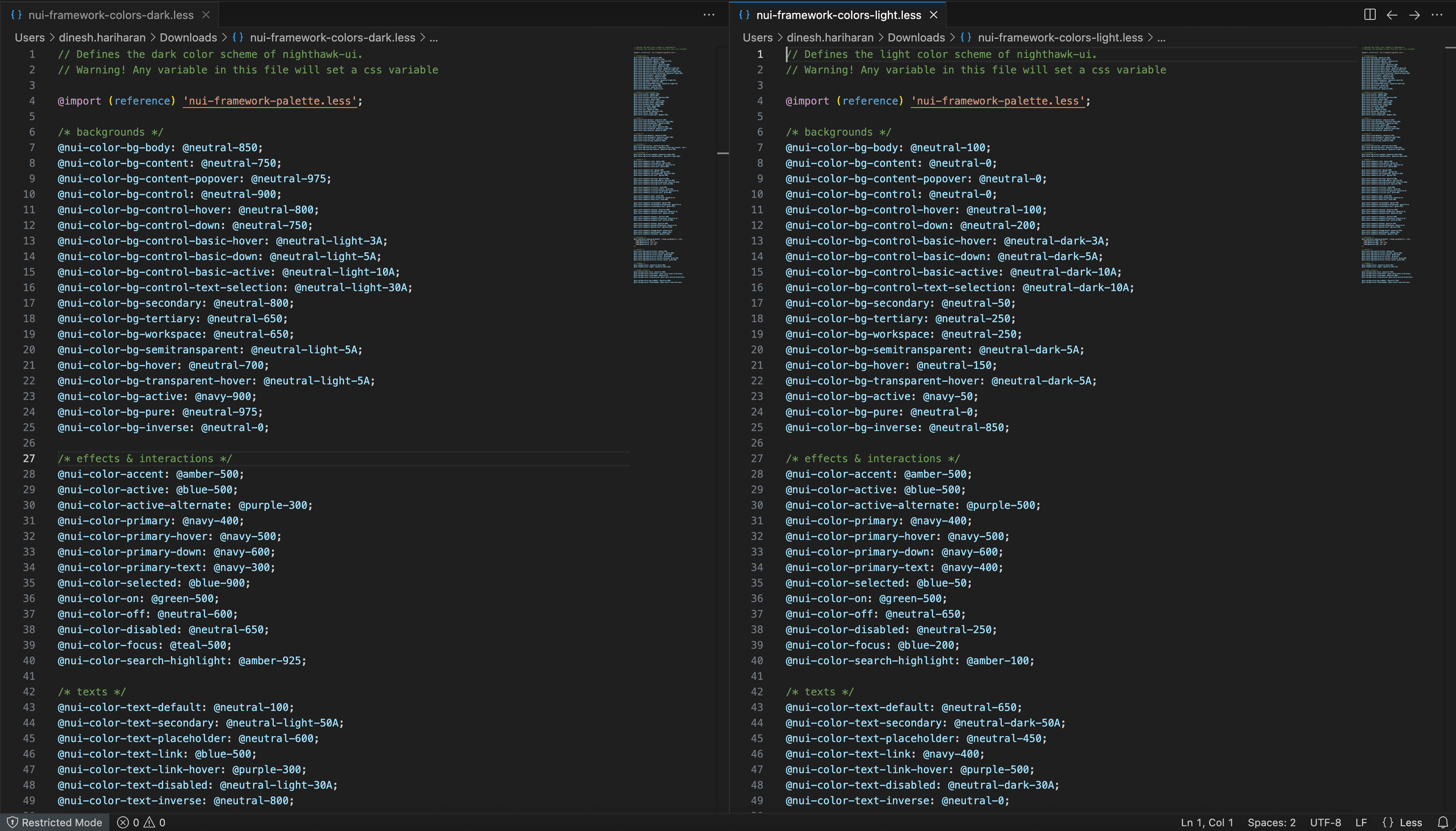
To eliminate ambiguity, the same token names are used across both design and code without any modification.
A token defined in Figma is directly used in development, ensuring a one to one mapping between design decisions and implementation.
This removes the need for interpretation, reduces errors, and ensures that changes at the token level are reflected consistently across the product.
05
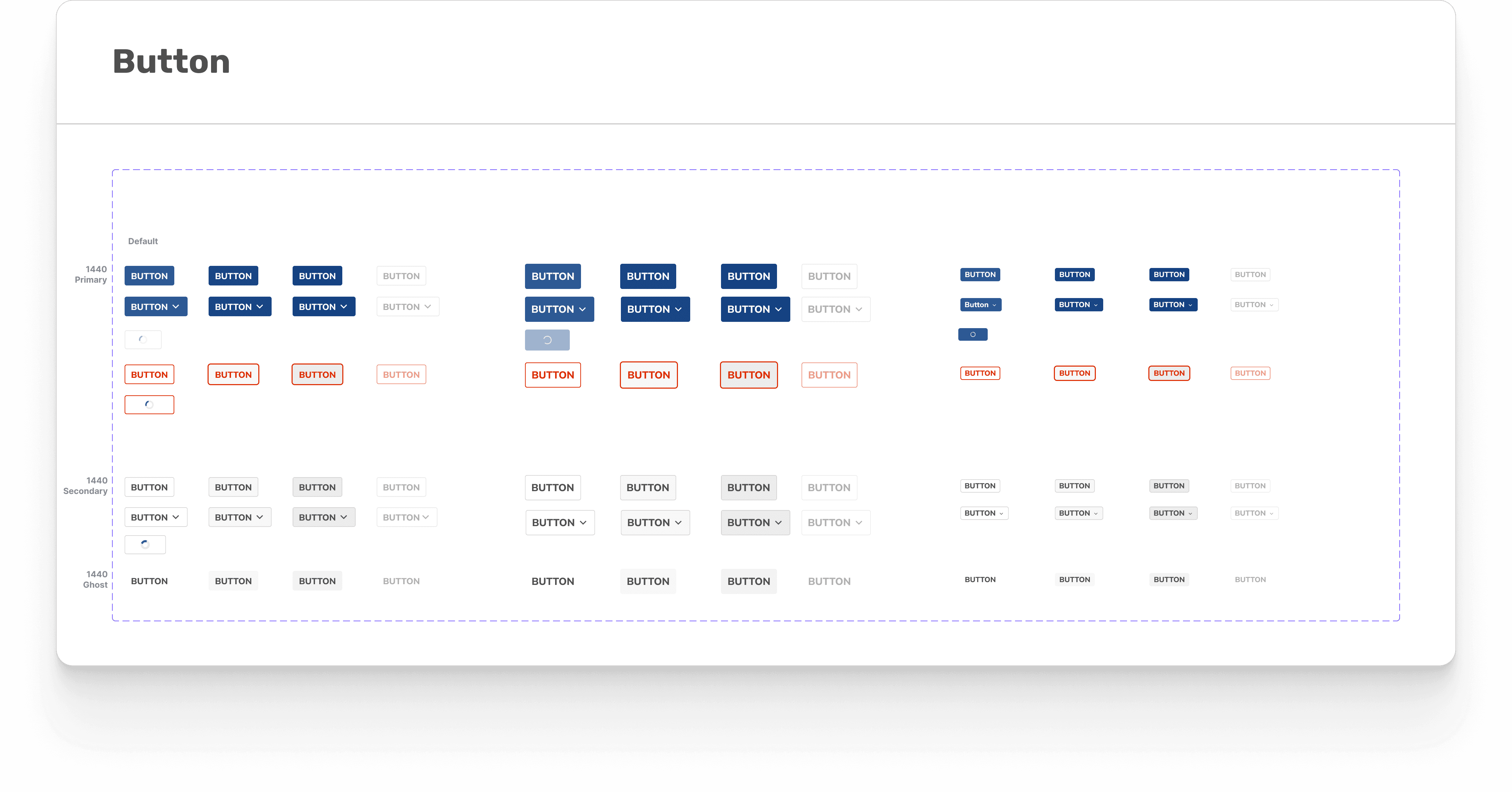
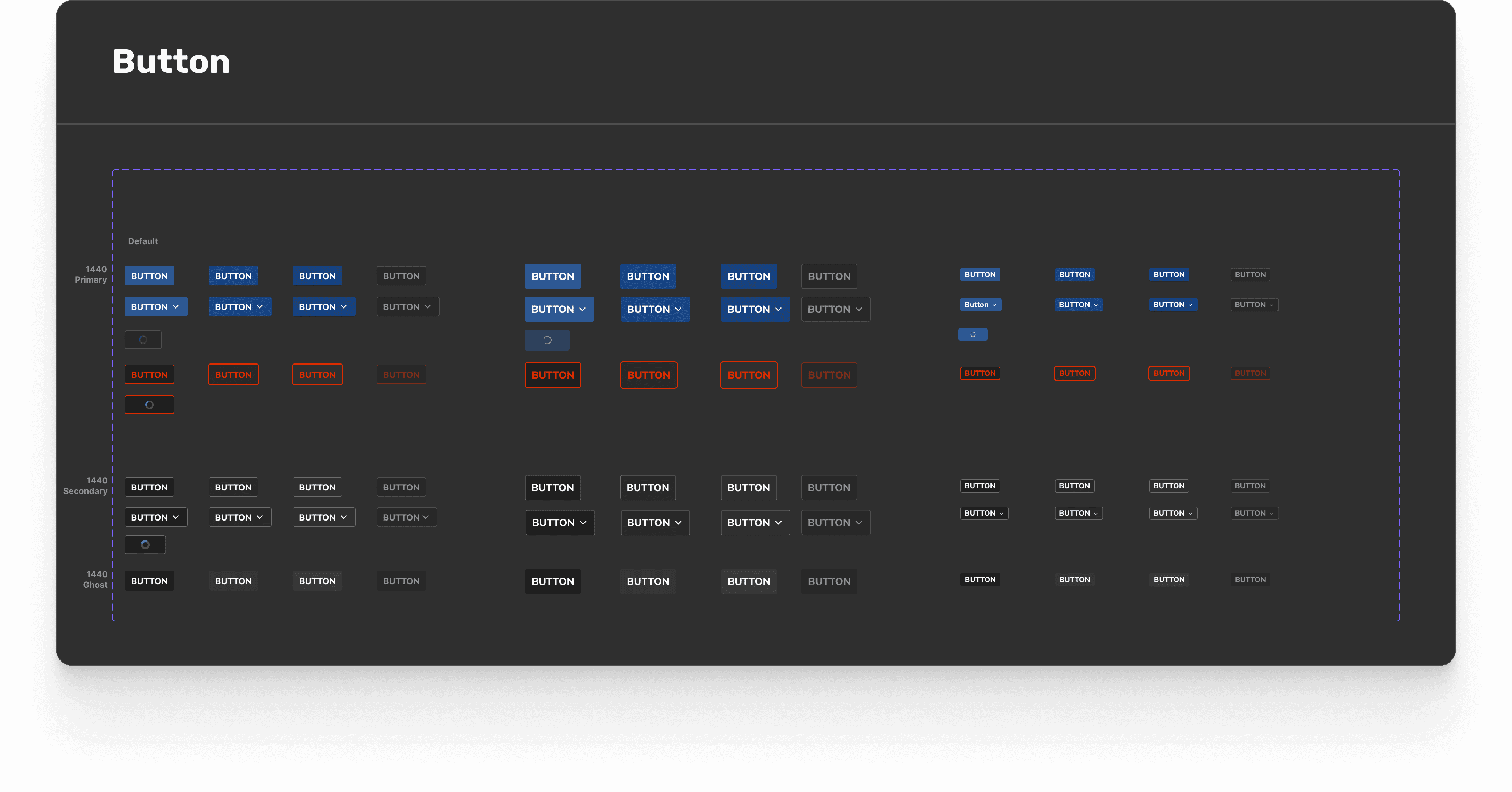
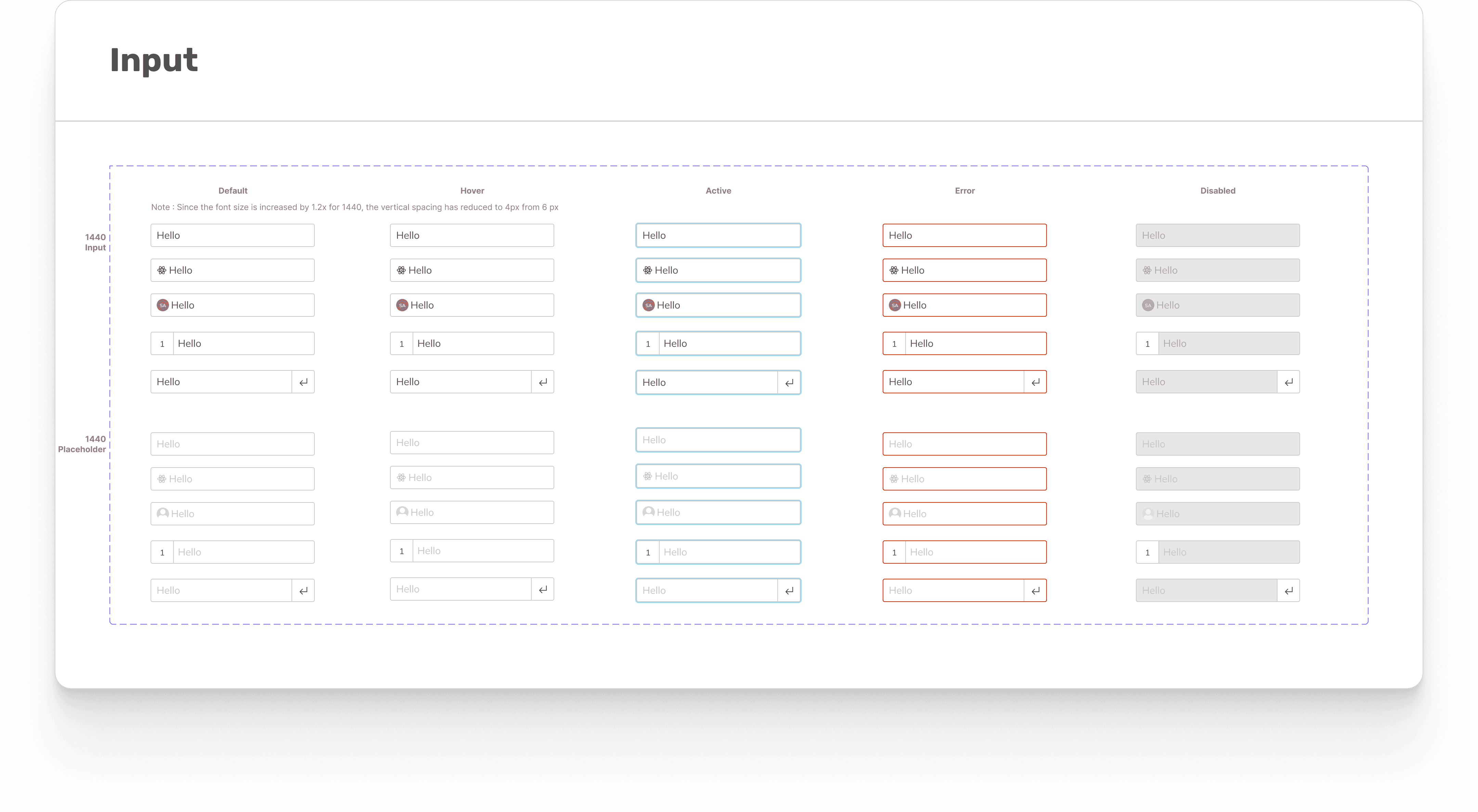
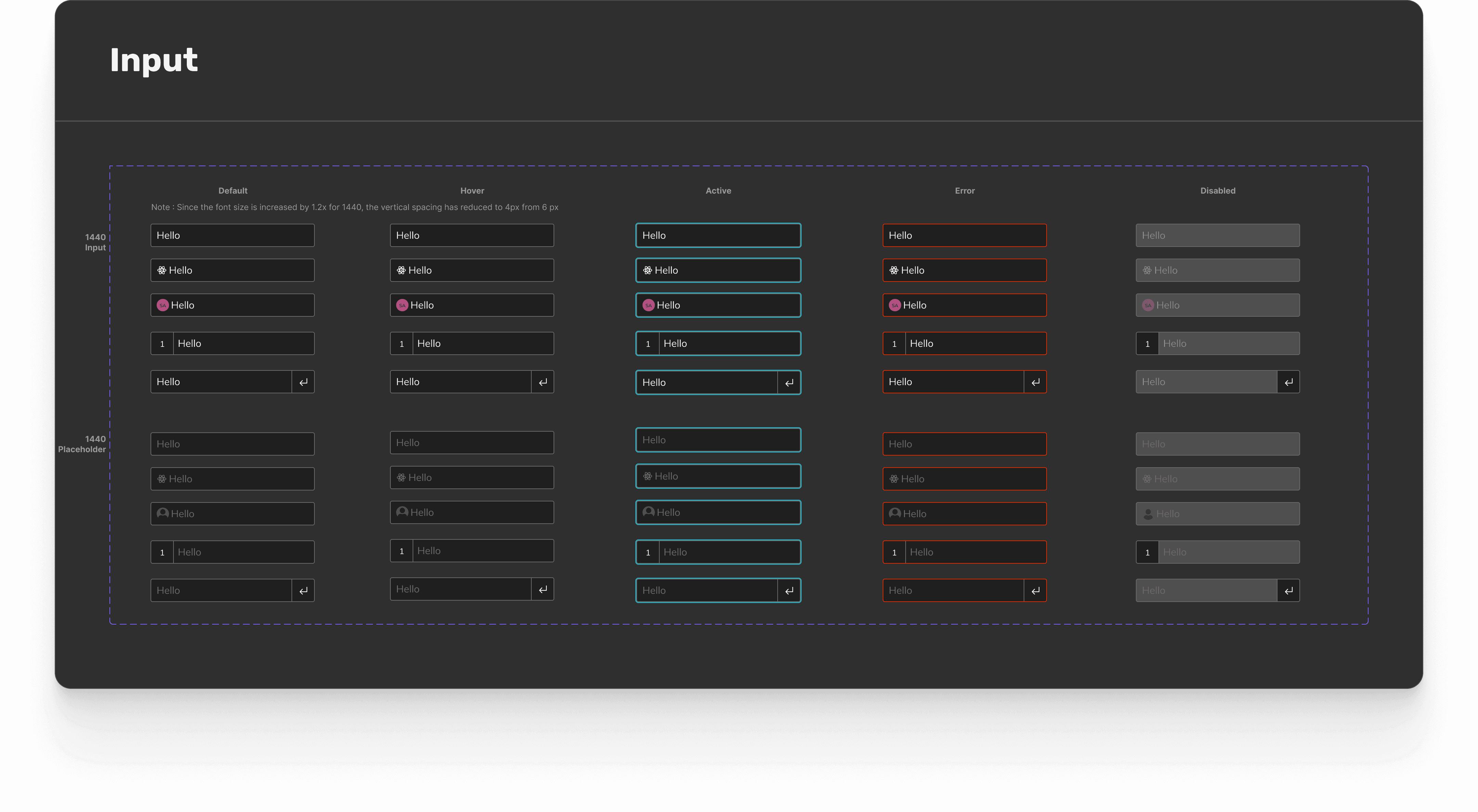
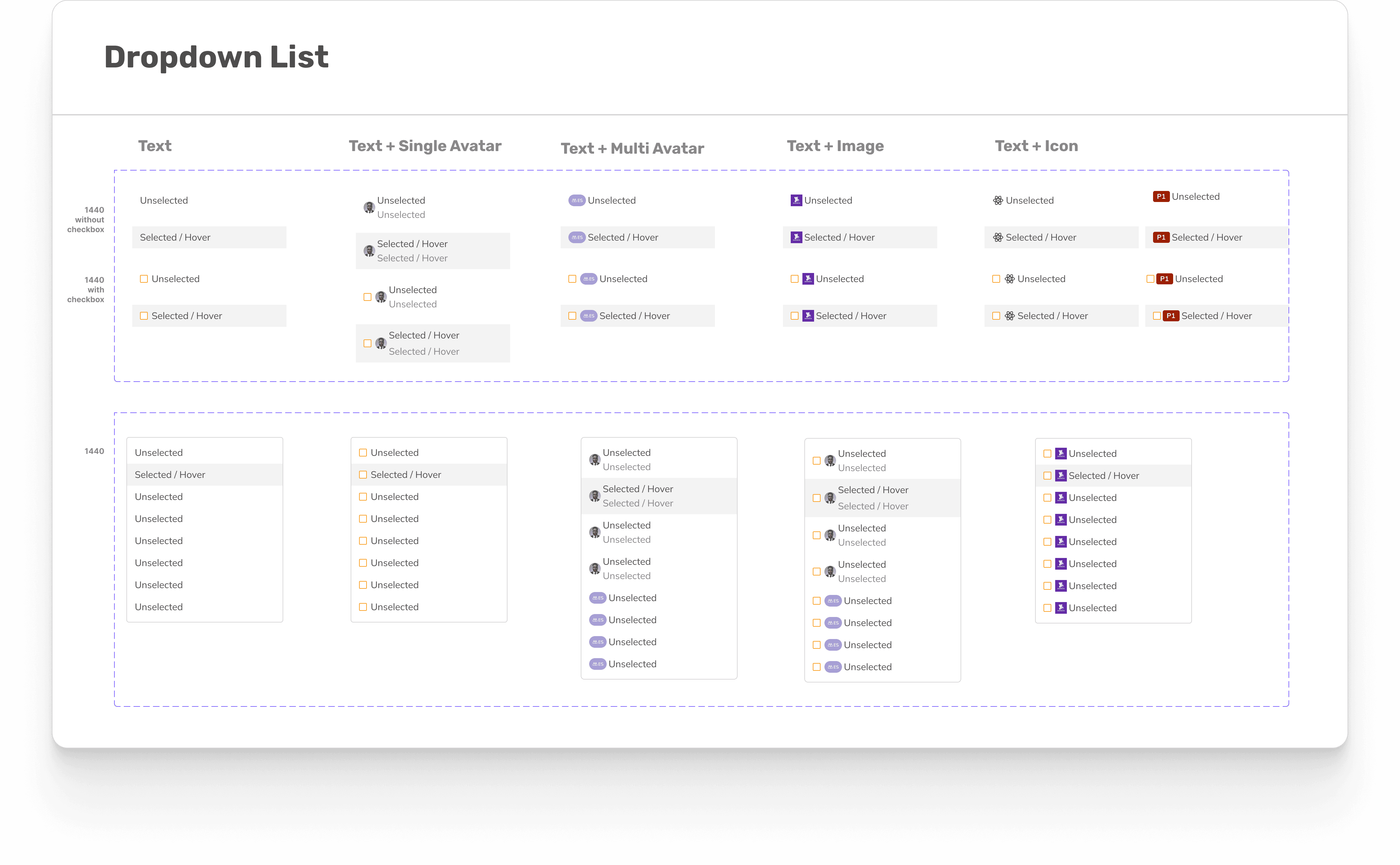
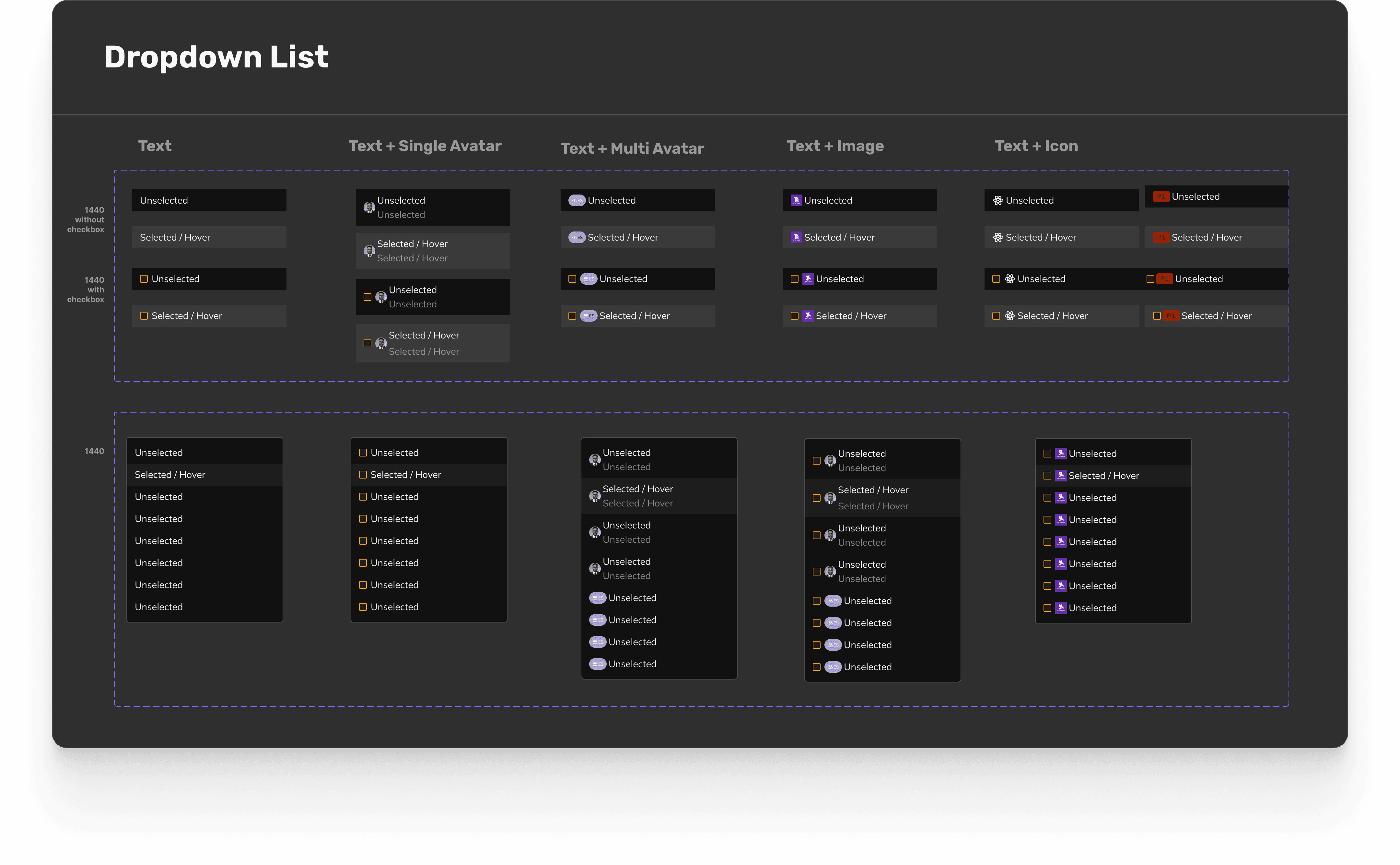
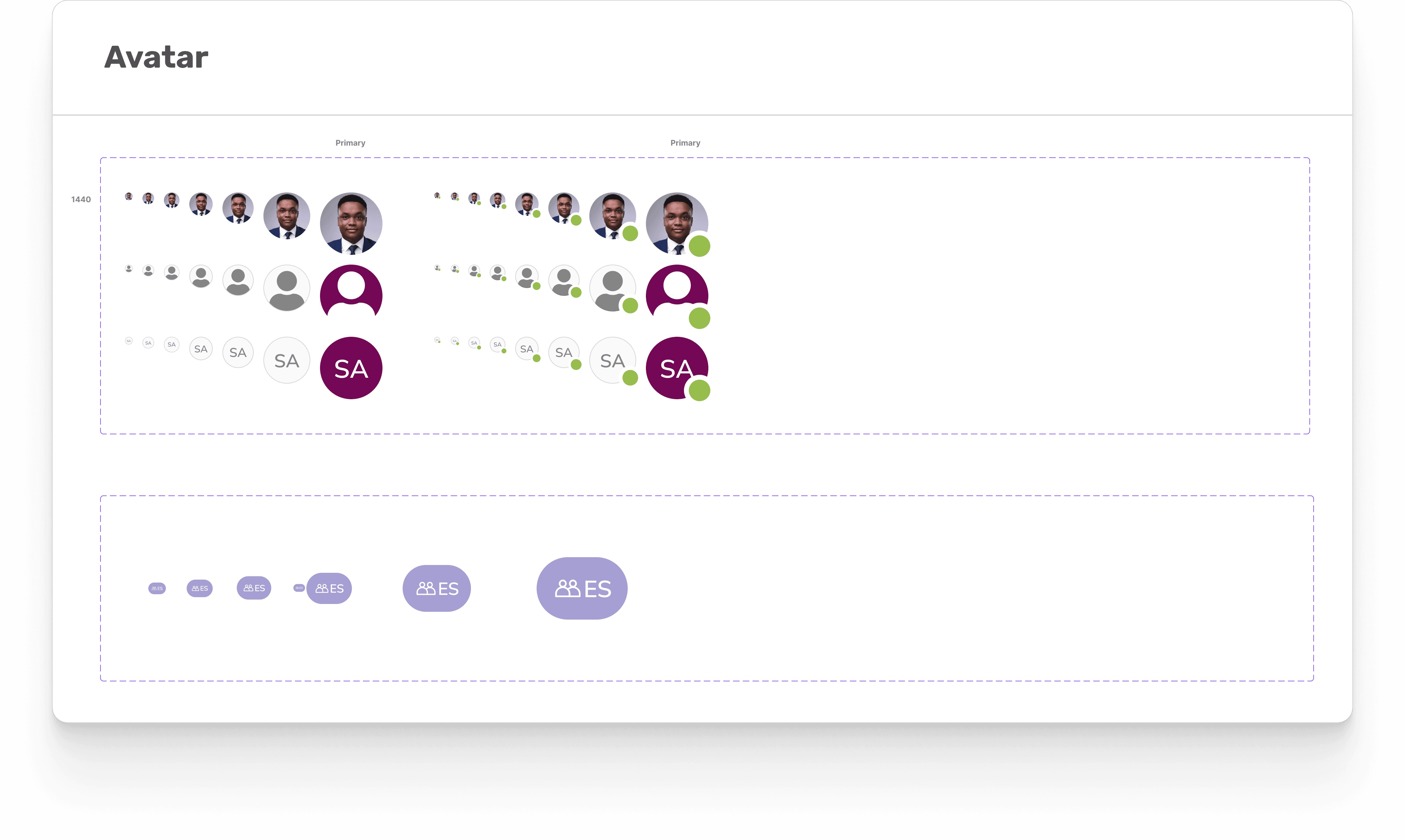
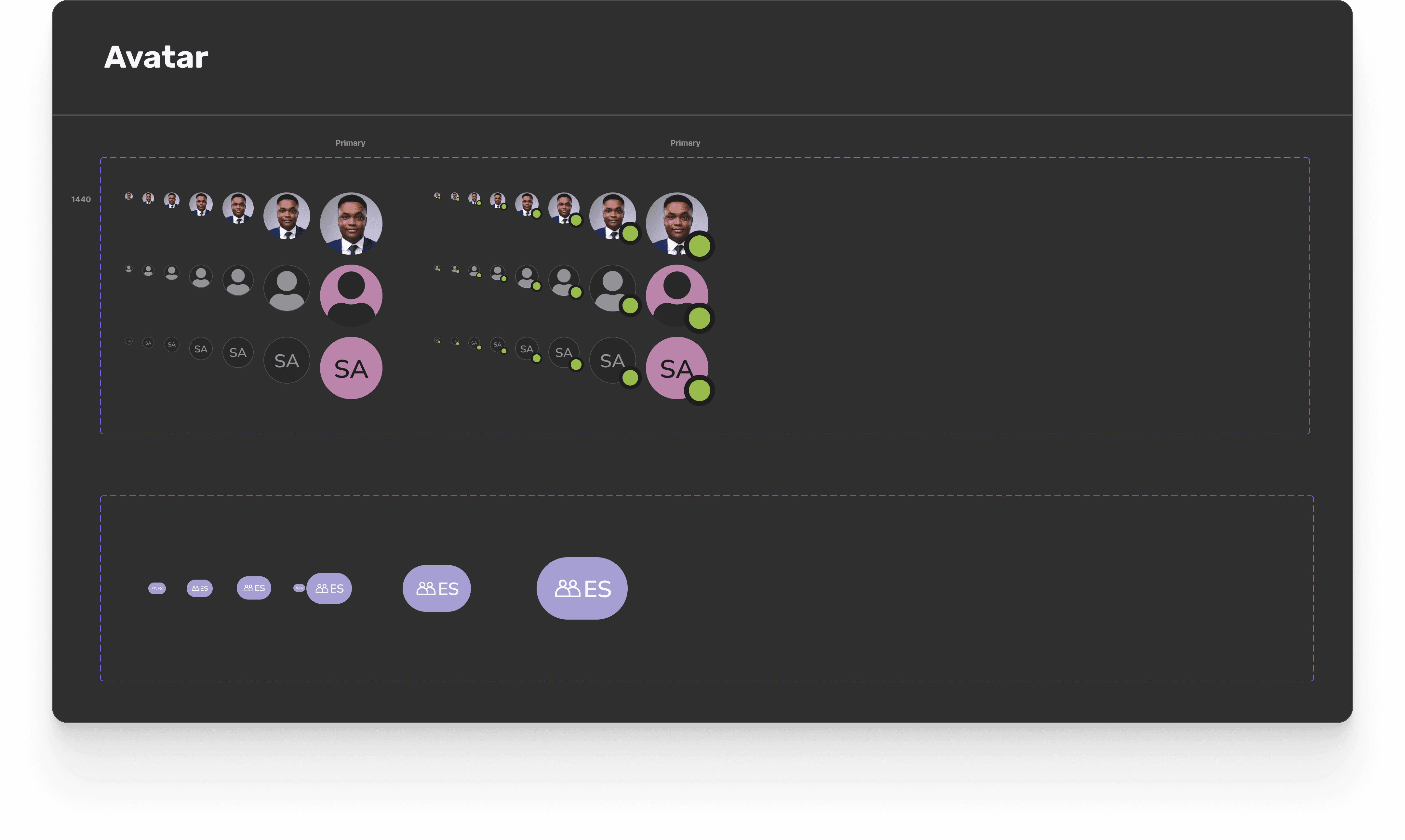
06
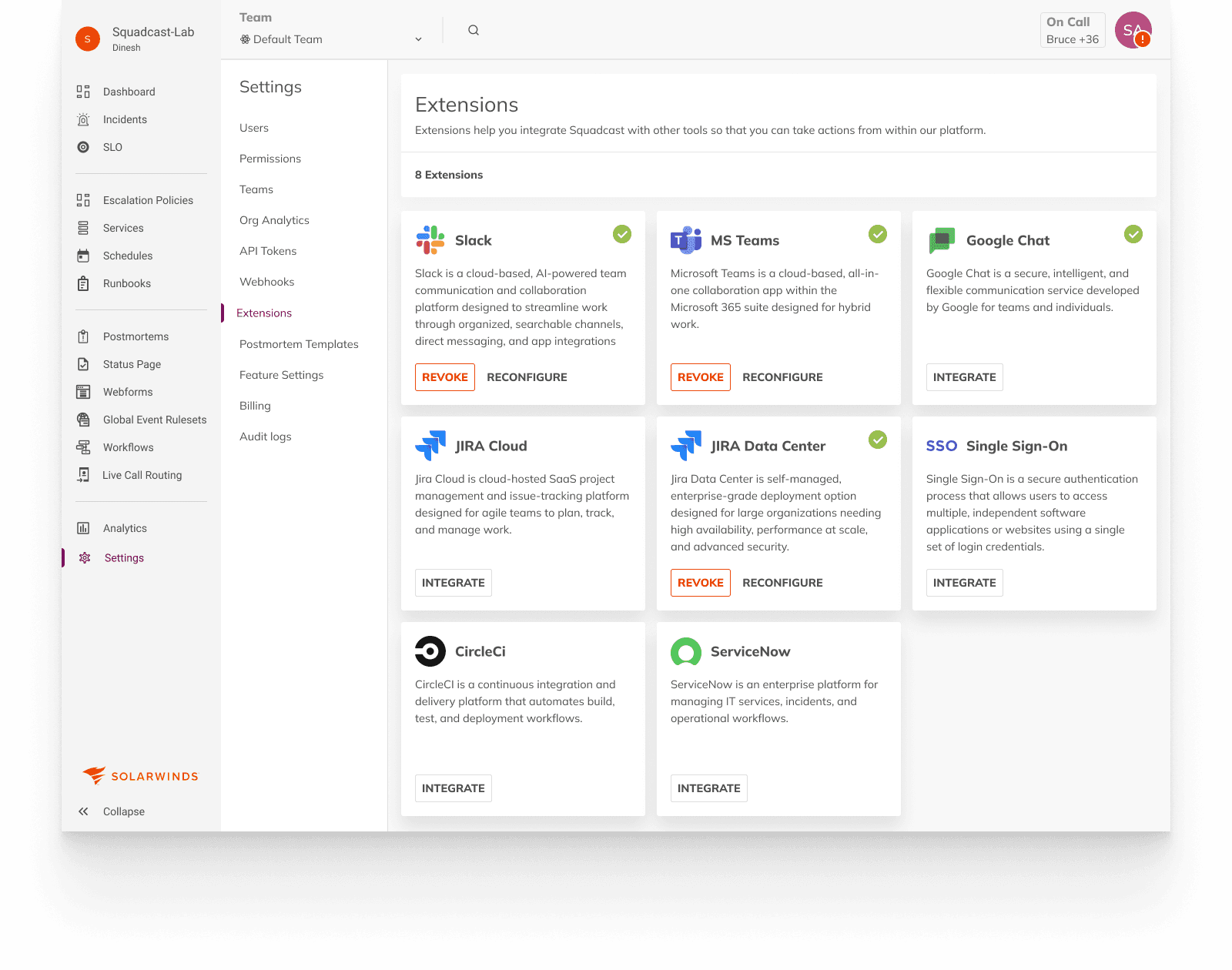
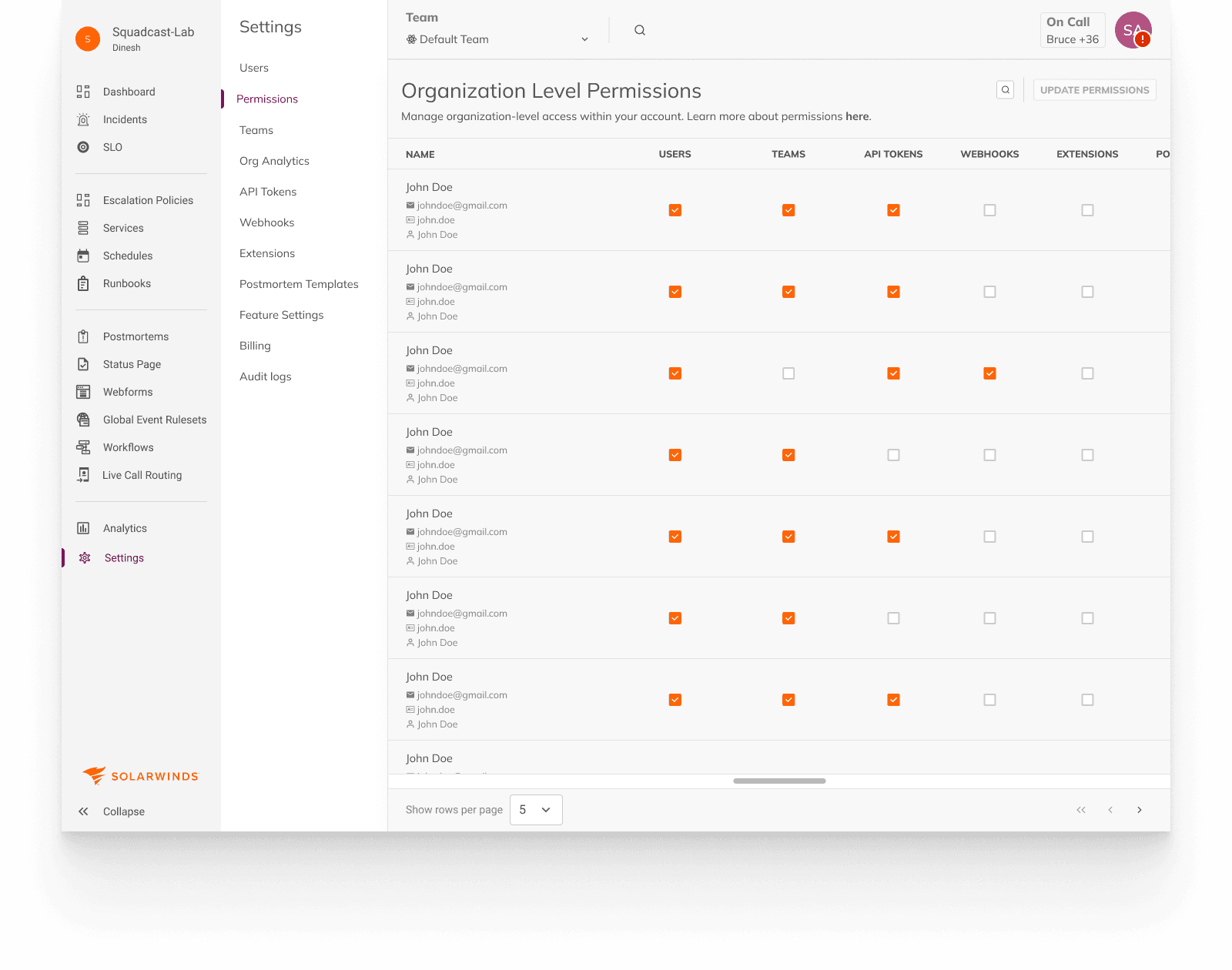
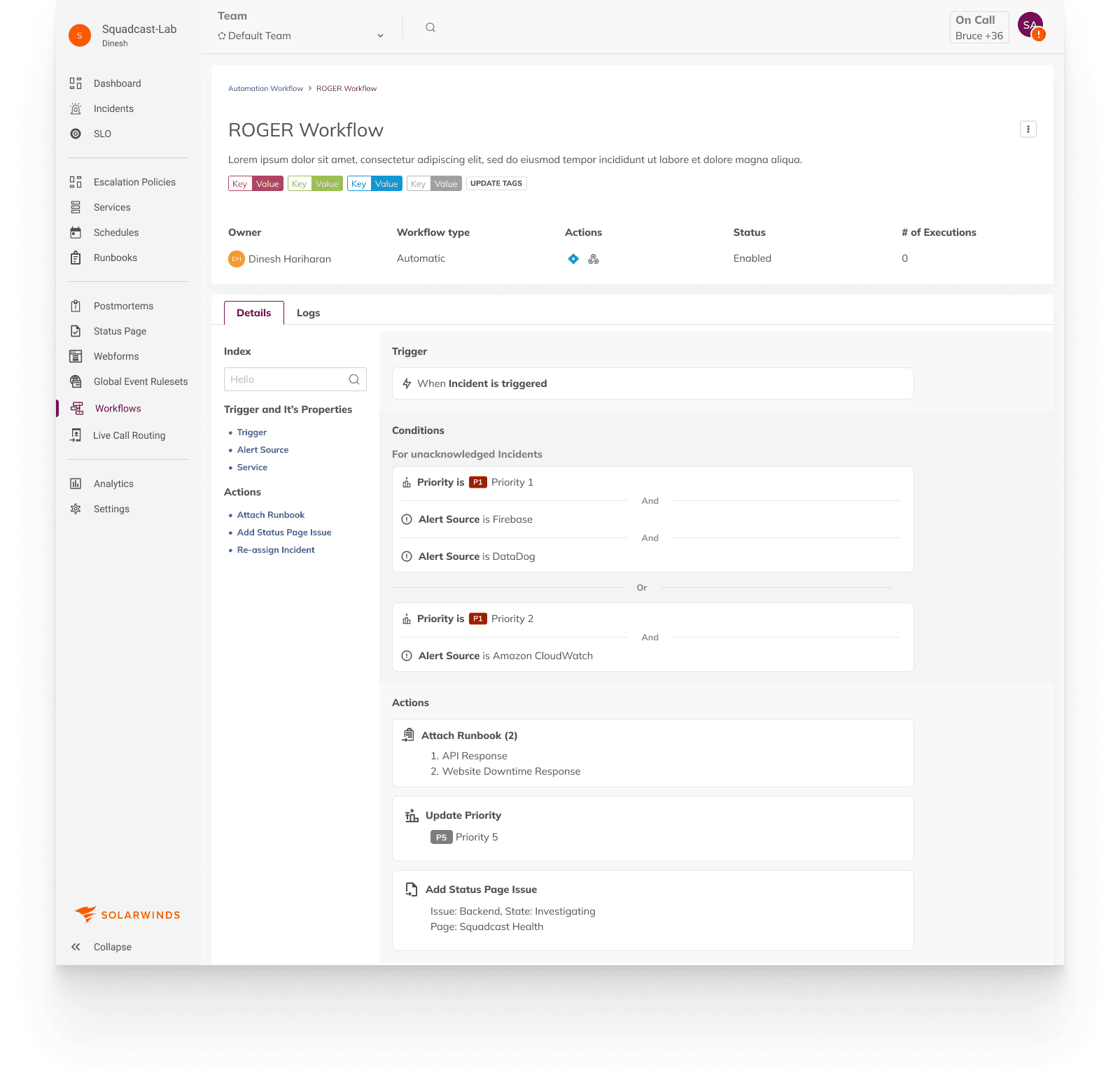
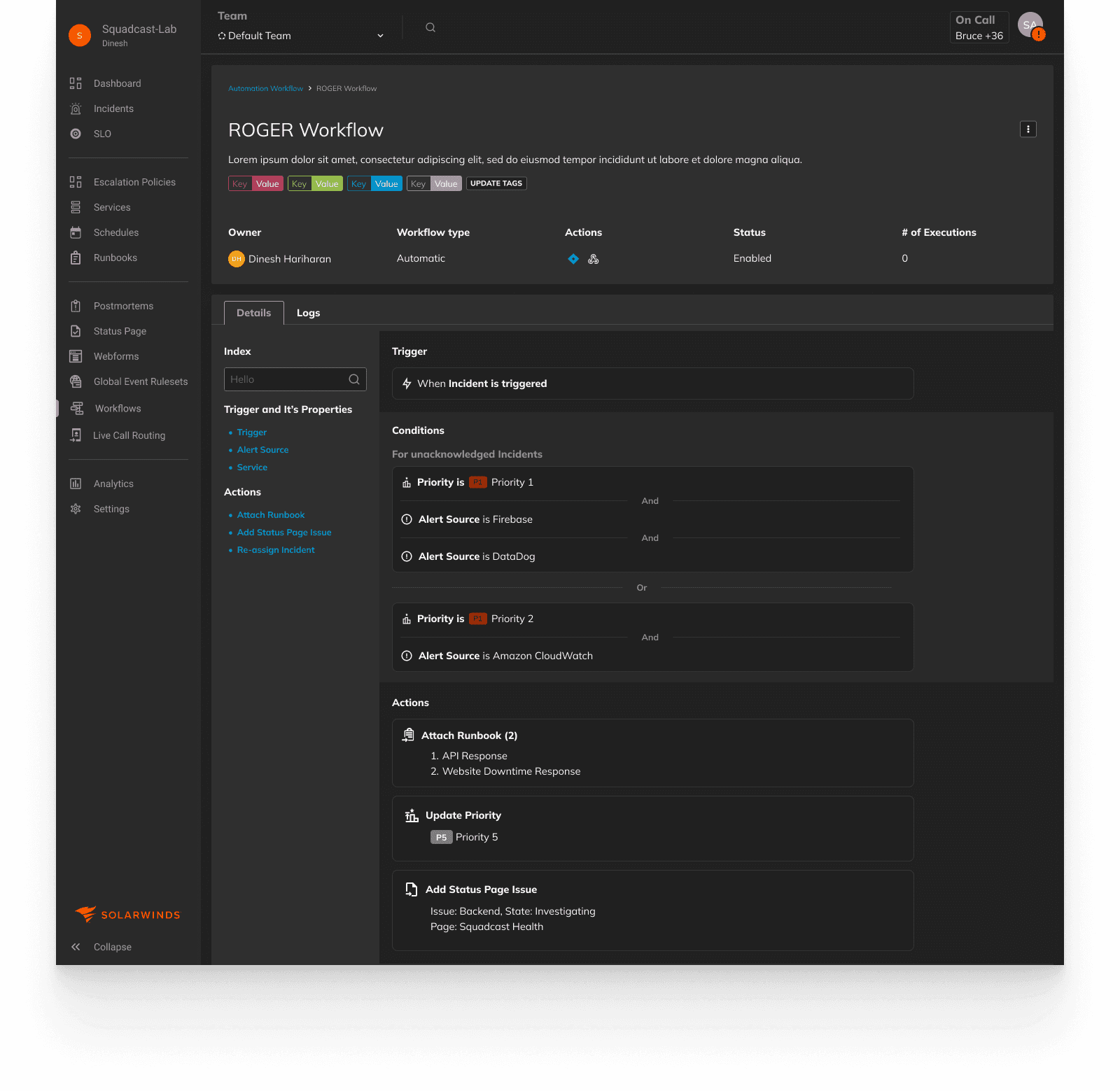
Brining it all together
Projects
Explore more like this one
Selected projects that reflect my approach to design, development, and execution.